Microsoft was navigating a profound transformation in 2014. The company's "cloud first, mobile first" strategy was shifting product priorities, and was setting a new bar for consumer-grade experiences. Meanwhile, SharePoint, once a flagship enterprise product, was fading from relevance. Global field research across the United States, Europe, and Asia revealed that people valued SharePoint’s capabilities but found the experience outdated, complex, and difficult to use. Internally, the brand was replaced by generic labels like "Sites," which signaled a loss of confidence. These insights became the catalyst for a design-led reinvention.
Simultaneously, OneDrive Consumer and OneDrive for Business merged into a singular product development team. This created a rare moment to rethink two products together, with greater focus on customer needs. OneDrive and SharePoint had an opportunity to reemerge as modern, coherent, design-led platforms.
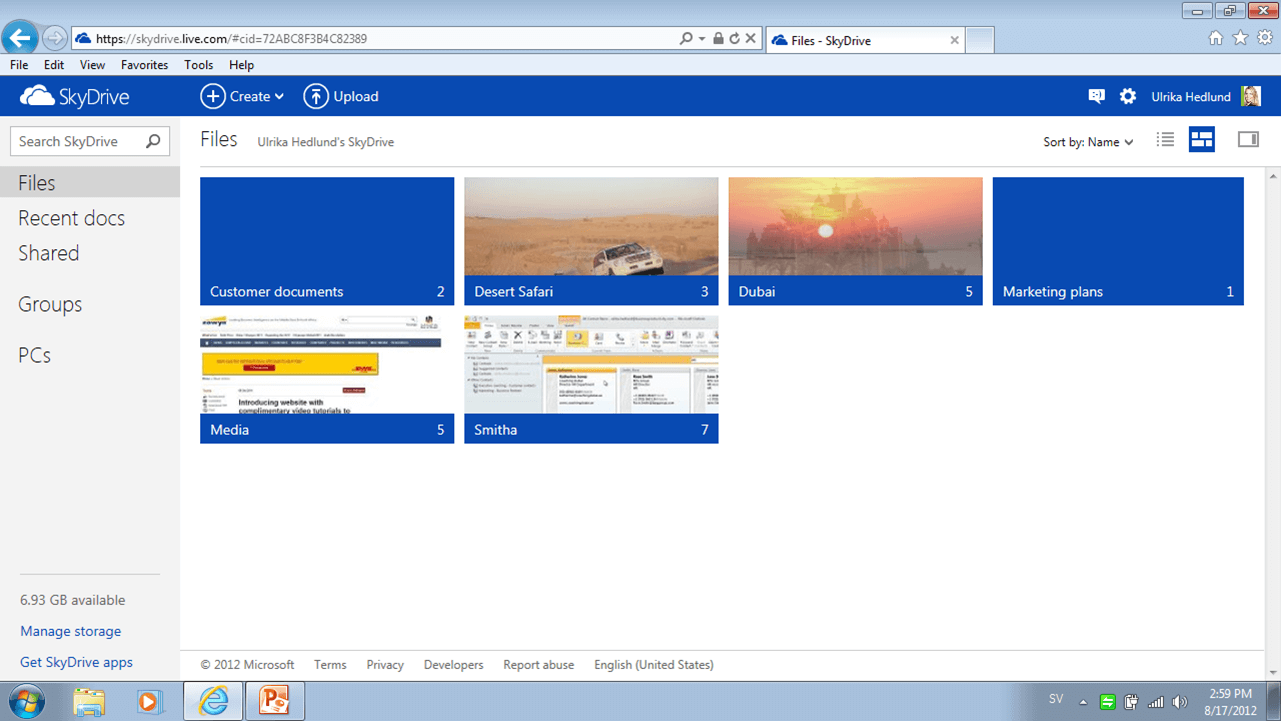
Where we started: Microsoft OneDrive (formerly SkyDrive) back in 2014, before I led the user experience team.
The evolution of OneDrive Photos since 2014. During my time leading the team, we reimagined the experience as a dynamic, personal gallery that helps you relive moments through people, places, and memories.
Turning complexity into clarity
I have always gravitated toward complex product systems held back by legacy decisions, friction, and untapped potential. SharePoint in 2014 presented exactly the mix of problems I found compelling. The product was not broken, but it was burdened by years of incremental decisions and inconsistent experiences.
If we could understand more about what people were trying to accomplish, we would design a modern, coherent, emotionally resonant experience and restore the relevance of the SharePoint brand.
This task called for a design-led strategy grounded in human insight, using concrete artifacts to make the direction tangible rather than debating it in the abstract.
A product people valued but struggled to use
Customers were using SharePoint primarily as a document library, not as a comprehensive collaboration platform. IT teams were spending more time fixing user mistakes than enabling their productivity. Site creation felt so intimidating that many organizations hired expensive vendors for the most basic intranet needs. People wanted modern, simple, intuitive tools rather than the fragmented and inconsistent tools they were navigating across the Microsoft 365 suite.
One customer summarized the emotional reality: "It feels like you need a PhD to use this."
We needed to fix important usability issues and close the trust gap between what SharePoint promised and what customers experienced.
“It feels like you need a PhD to use this.”
Consumer-grade UX changed expectations
Across the industry, expectations were shifting rapidly. Consumer-grade UX had become the baseline expectation, and competitors were delivering simple site-building tools with no training required. Cloud-native collaboration tools were redefining how teams worked and were raising the bar for speed, simplicity, and coherence. Customers gravitated toward products that felt modern, intentional, and human. By comparison, SharePoint had fallen behind.
These signals made the opportunity clear: reinvent SharePoint and OneDrive as modern, unified, design-led experiences, and restore the SharePoint brand as a symbol of clarity, beauty, and capability.
Leading two products through one reinvention
My charter as the design leader for the newly combined OneDrive and SharePoint team was:
Define the design vision and ground it in customer needs
Align engineering, product management, and executives around a unified strategy
Reintroduce the OneDrive and SharePoint brands with a reimagined modern identity
Leading from strategy to craft
This design-led transformation moved the team beyond incremental fixes and created space for bolder, more innovative work. I articulated a multi-year vision that spanned web, mobile, and emerging platforms, and defined what "modern" meant for SharePoint and OneDrive. Every decision, from information architecture to interaction patterns to visual language, reinforced that vision.
Throughout the process, I stayed close to the work and to stakeholders. I translated research into actionable design principles, shaped the unified design language, and worked hands-on with the team when the details mattered. I moved between strategy and craft, from executive alignment conversations to reviewing the pixel-level decisions that defined the product's character.
Reintroducing the SharePoint brand took more than new screens; it needed a new story. I shaped the narrative that repositioned SharePoint as modern, relevant, and design-forward. The organization gathered for the new product vision reveal, and this gathering later became an annual design-led event called Vision Day. The story created momentum across engineering, product management, and marketing, and it turned a fragmented ecosystem into a coherent, modern platform with a renewed sense of purpose.
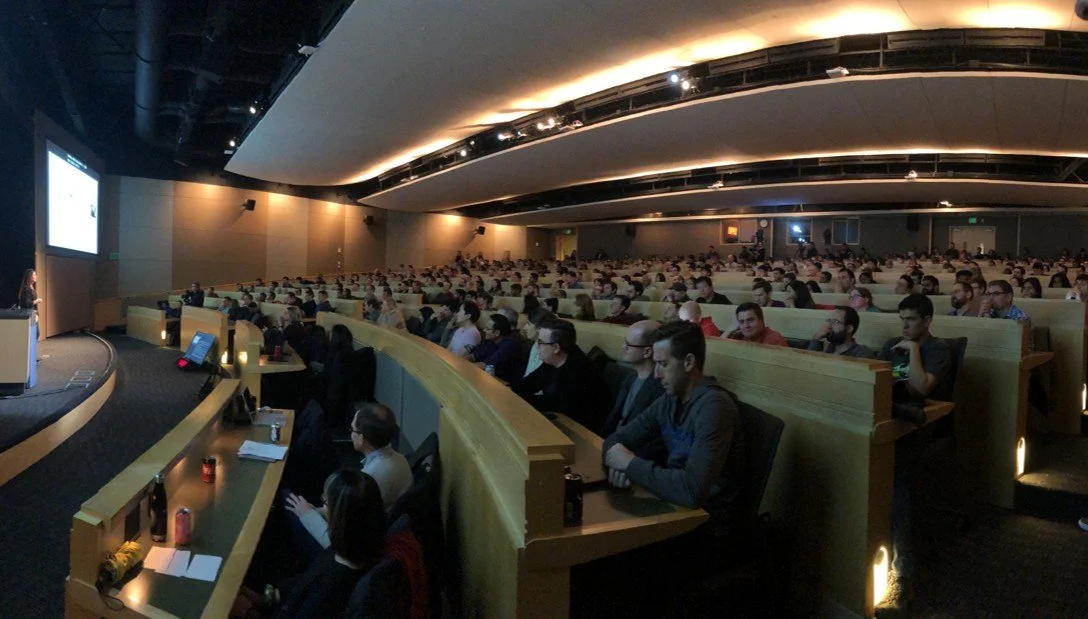
We used the annual ODSP Vision Day event to bring hundreds of people together around a shared vision for the OneDrive and SharePoint products. These events enabled us to turn design direction into something the broader organization could rally around.
Created for Vision Day 2022, this video reel brought together several product ideas spanning OneDrive, SharePoint, and Viva. The goal was to create energy around the possibilities ahead.
A new foundation for OneDrive and SharePoint
The reinvention produced a modern, coherent SharePoint experience across web, mobile, and Surface Hub. It restored confidence in the product and reestablished the SharePoint brand as a symbol of clarity, capability, and modern design. OneDrive evolved into a unified consumer and enterprise experience, which became a showcase for Microsoft's design ambitions and a model for coherence across Microsoft 365. By redefining site creation as a beautiful, flexible, and requiring no code experience, we eliminated the need for costly vendor work and gave organizations the ability to build modern intranets on their own terms.
This design vision became the template for years of SharePoint innovation, and it influenced engineering roadmaps, brand strategy, and the broader direction of Microsoft 365. The momentum and continued evolution fueled rapid early adoption, sustained double-digit growth, and added tens of millions of new active users each year.
I co-produced this public celebration of the work our teams had brought to market across SharePoint. The video brought together many of the innovations we had designed and delivered, showcasing the cumulative transformation of the product.
Design leadership can raise organizational ambition
When a product has lost its way, consensus alone will not create a new direction. A leader has to see and seize the opportunity, make it tangible, and build enough conviction for an organization to move. Design leadership can do much more than transform products; it can dissolve limiting beliefs and raise organizational ambition.